Buying Guide
Trolling Motor Buying Guide: Thrust, Shaft Length and Voltage
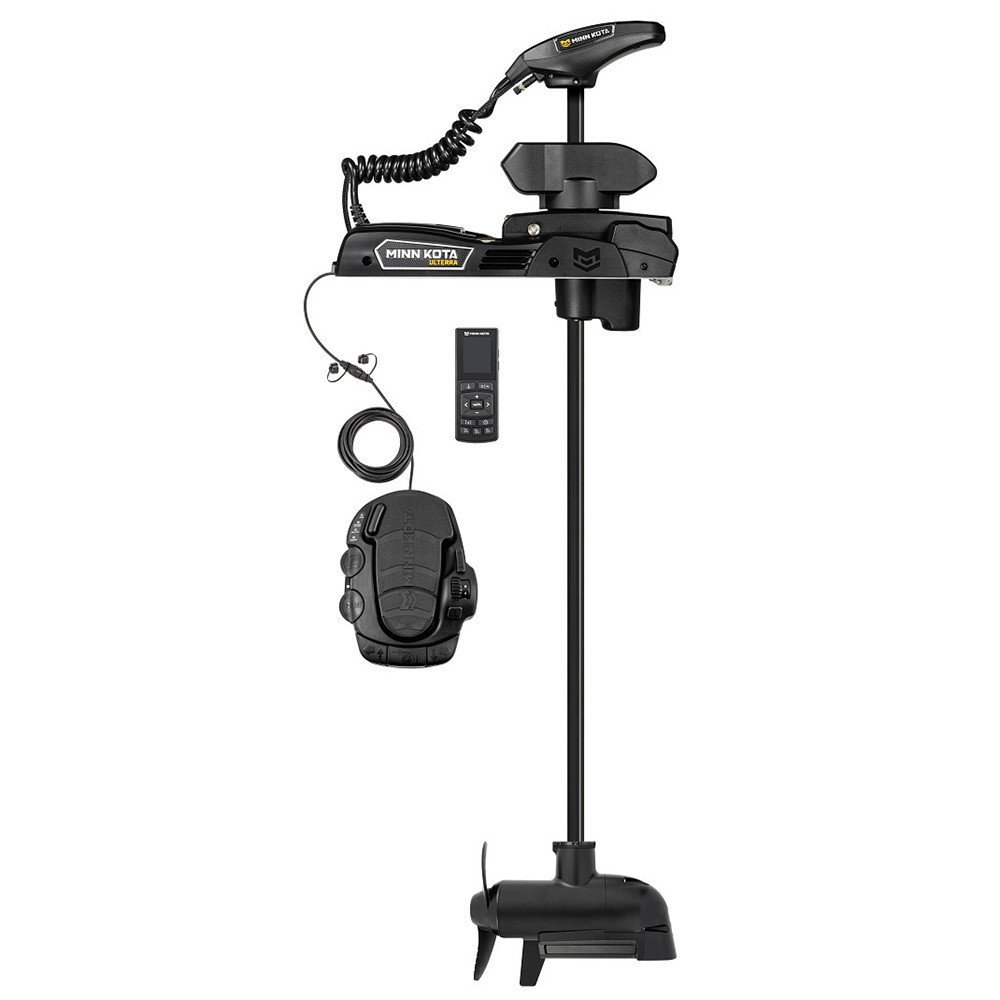
A good trolling motor lets you move quietly along a shoreline or hold position over a spot without touching the main engine. Choosing one comes down to thrust, shaft length, voltage and the features you will actually use.
Thrust
Trolling motors are rated in pounds of thrust. More thrust helps with heavier boats, wind and current. Many modern bow-mount motors offer dual voltage, for example around 80 lb at 24 V and 100 lb or more at 36 V. If you fish in wind or strong current, choose more thrust than the minimum for your boat size.
Voltage
Common systems are 12 V, 24 V and 36 V. Higher voltage delivers more thrust and generally better efficiency, but needs more batteries or a higher-voltage lithium battery. Plan the battery bank and charging at the same time as the motor.
Shaft length
The shaft must be long enough to keep the propeller submerged when the bow rises in waves. Boats with high bows and offshore hulls need longer shafts, often 60 to 72 inches or more. Too short and the prop comes out of the water in chop; too long adds weight and draft.
Bow mount or transom mount
Bow-mount motors pull the boat and give the most precise control, which is why most fishing boats use them. Transom mounts suit small boats, canoes and simple setups.
GPS anchoring and control
- GPS anchor: holds the boat on a spot automatically.
- Jog: moves the anchor point a few feet at a time.
- Route and contour following: follow a saved track or a depth contour on compatible chartplotters.
- Remote or pedal: choose a wireless remote, a foot pedal or both.
Freshwater or saltwater
Saltwater models use sealed electronics, protective coatings and sacrificial anodes. Use a saltwater-rated motor for coastal and offshore fishing.
Integration
Many motors integrate with a brand’s chartplotters and sonar, and some carry a transducer in the motor head. Check compatibility with the electronics you already own.
Compare thrust, voltage and shaft length across our trolling motors.