Buying Guide
Two-Stroke vs Four-Stroke Outboards
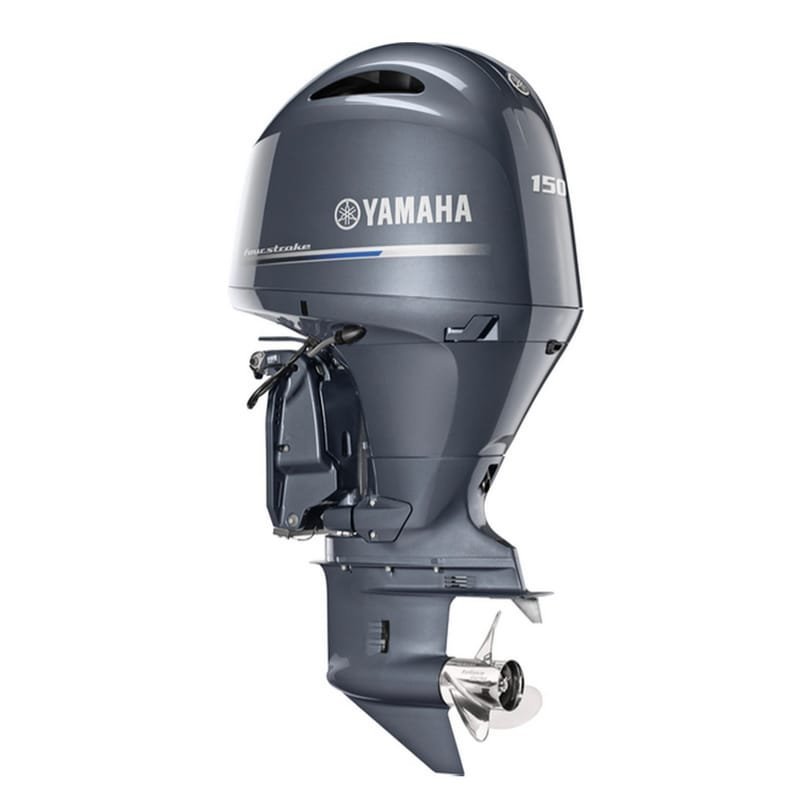
The two-stroke vs four-stroke outboard question used to be simple: two-strokes were light and punchy, four-strokes were quiet and economical. Modern engineering has narrowed the gap, but the core differences still matter when you choose an engine.
How they differ
A four-stroke engine completes its cycle over two crankshaft revolutions, with separate intake, compression, power and exhaust strokes. It has valves and a camshaft and keeps its lubricating oil in a sump, much like a car engine. A two-stroke completes its cycle in one revolution, producing a power stroke every turn, and mixes oil with the fuel either by premix or an oil injection system.
Weight and power
For the same horsepower, a two-stroke is usually lighter and simpler, which is why small portable engines and some lightweight performance applications still favor them. Four-strokes carry more parts and more weight but deliver smooth power across the rev range.
Fuel economy and emissions
Traditional carbureted two-strokes burn more fuel and oil and emit more exhaust. Direct-injection two-strokes improved this considerably. Four-strokes are generally efficient at cruising speeds and meet strict emission standards, which is why they dominate mid and high horsepower ranges today. Check local regulations, as some waters restrict older two-stroke designs.
Noise and comfort
Four-strokes are typically quieter, especially at idle and trolling speeds, and produce less smoke and smell. That makes a difference on long days and for anglers.
Maintenance
- Four-stroke: engine oil and filter changes, valve clearance checks on some models, plus the usual gear oil, impeller and anode service.
- Two-stroke: no engine oil changes, but you must keep the oil supply topped up or mix fuel correctly. Fewer moving parts can mean simpler repairs.
Which to choose
For most family boats, fishing boats and offshore rigs, a four-stroke is the common choice because of economy, refinement and availability. A two-stroke can still make sense for small tenders, where weight and portability matter most, provided it is legal where you boat.
Compare engine types and specifications in our outboard motors, and read how to choose an outboard motor for the full checklist.