Buying Guide
Offshore Safety Equipment Checklist
Before heading offshore, run through a clear offshore safety equipment checklist. Local regulations set the legal minimum, but good seamanship usually goes further. Use this list as a starting point and adapt it to your boat and waters.
Personal safety
- Life jackets for every person, correctly sized, with crotch straps, lights and whistles.
- Harnesses and tethers, plus jacklines for working on deck.
- Personal locator beacons or AIS man overboard devices for crew on watch.
Abandon ship
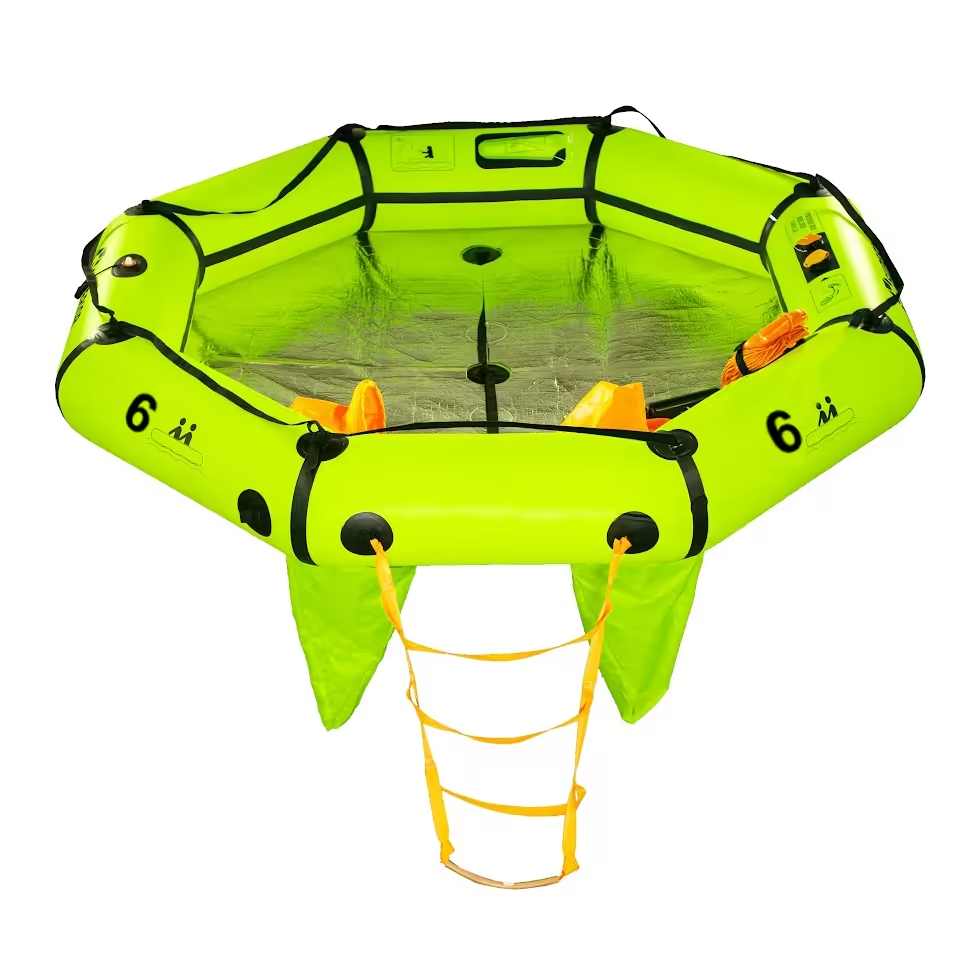
- A life raft suited to offshore use and sized for the crew, with a current service date.
- An EPIRB registered to the vessel.
- A grab bag with water, a handheld VHF, flares, a first aid kit, medication and copies of documents.
Communication and navigation
- A fixed VHF radio with DSC, programmed with the vessel MMSI and connected to GPS.
- A waterproof handheld VHF.
- AIS, radar and an independent backup for navigation, such as a handheld GPS and paper charts.
- A means of receiving weather forecasts offshore.
Fire, flooding and first aid
- Fire extinguishers in the engine space, galley and accommodation, plus a fire blanket.
- Working bilge pumps, a manual pump and buckets.
- Damage control kit: softwood plugs at each through-hull and repair materials.
- A well-stocked offshore first aid kit and someone trained to use it.
Man overboard
- A throwable flotation device, horseshoe buoy and light.
- A recovery system for getting a person back aboard.
- Regular practice of the recovery procedure.
Brief the crew
Equipment only helps when people know where it is and how to use it. Brief every crew member before departure on life jackets, the raft, radio procedures, fire extinguishers and man overboard drills.
Find rafts in our life rafts range and radios in marine radios.