Buying Guide
Internet on Board: Cellular and Satellite Options
Reliable marine internet has changed boating. Weather routing, chart updates, remote monitoring and working from the boat all depend on staying connected. The right setup depends on how far from shore you go.
Cellular connectivity
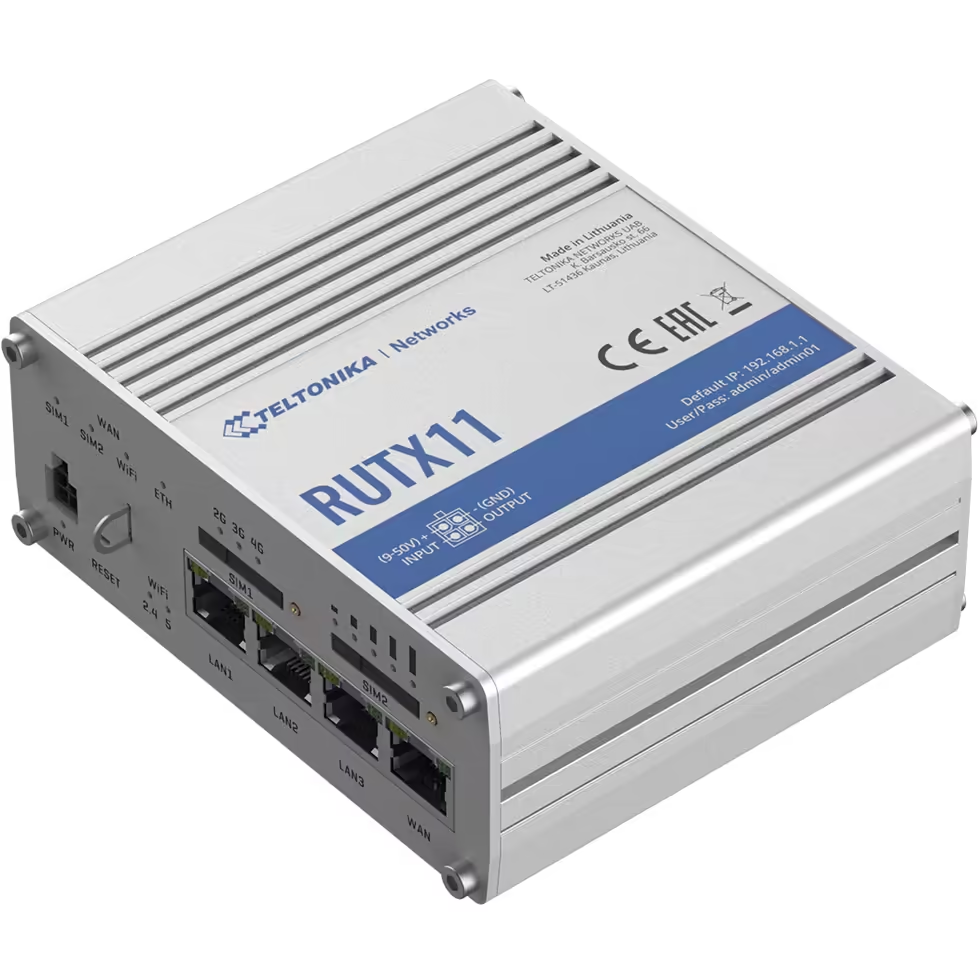
Close to the coast, cellular data is usually the most affordable option. A marine 4G or 5G router with an external antenna mounted high on the boat picks up signal much farther from shore than a phone inside the cabin. Look for routers with dual SIM slots so you can switch carriers, and marine-rated antennas designed for salt spray and UV.
Satellite connectivity
Beyond cellular range, satellite is the only option. Services differ in coverage, speed, latency and cost. Low earth orbit services have made higher speeds more widely available, while traditional satellite services remain important for global coverage and safety communications. Check the provider’s maritime coverage map and terms for use at sea.
Combining both
Many cruising boats use a router that manages several connections, using cellular when available and falling back to satellite offshore. This keeps data costs down while staying connected.
Power and installation
- Check power consumption, especially for satellite terminals, and size your battery and charging system accordingly.
- Mount antennas high with a clear view of the sky or horizon, away from radar beams.
- Use proper marine cable glands and seal all penetrations.
Onboard network
Once you have a connection, a marine Wi-Fi router shares it throughout the boat. Some systems also integrate with chartplotters for weather data and software updates.
Explore routers, antennas and kits in our marine internet range.