Buying Guide
Electric Outboard Motors: What to Know Before You Buy
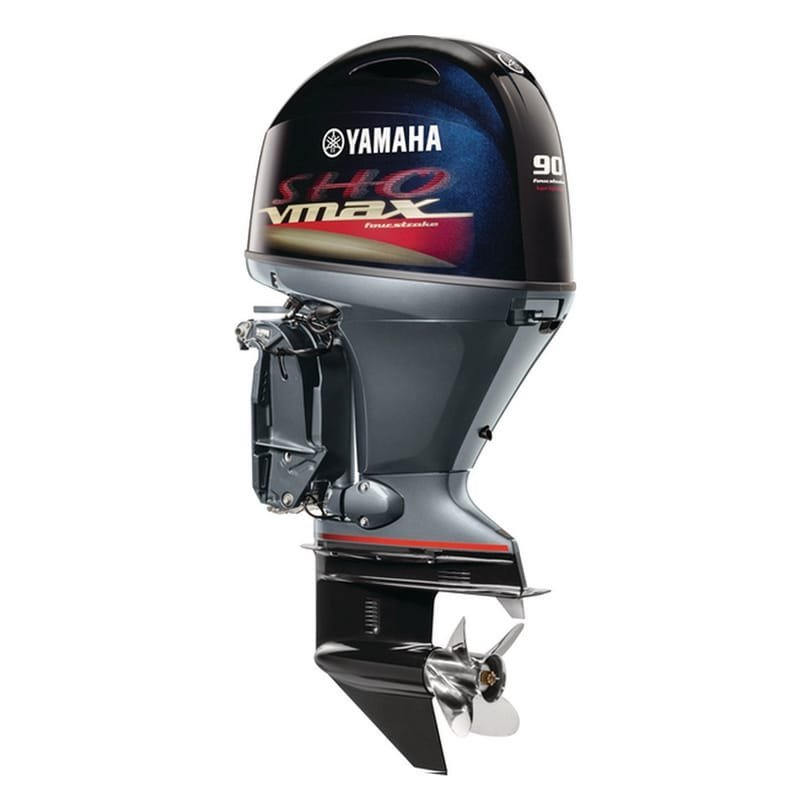
An electric outboard motor is quiet, needs no fuel on board and has far fewer service items than a combustion engine. Whether it suits you depends mostly on range and the battery system behind it.
Power and gasoline equivalents
Electric outboards are rated in kilowatts. Manufacturers often state an approximate gasoline equivalent based on thrust, for example comparing a motor with a 20 or 25 HP outboard. Use these figures as a guide to the boat size the motor suits, not as an exact like-for-like comparison.
Battery voltage and capacity
Larger electric outboards run on high-voltage systems, commonly 48 V. The battery bank’s capacity, measured in kilowatt-hours, decides range. Lithium batteries, usually LiFePO4 for marine use, are the usual choice because they are lighter and tolerate deep discharge.
Estimating range
Range depends on speed far more than on battery size. At slow displacement speeds an electric outboard can run for many hours; at full power the same battery may last a fraction of that time. As a rough method, divide usable battery capacity in kWh by the power you expect to use at cruising speed to estimate hours of running, then allow a reserve.
Charging
Plan how you will charge: shore power at the dock, a generator, or solar panels for longer trips. Charging time depends on the charger’s output and the size of the battery bank.
Where electric makes sense
- Tenders and day boats with predictable, short trips.
- Lakes and waters with combustion engine restrictions.
- Sailboats that need auxiliary power for docking and short motoring.
Installation details
Check the shaft length, steering type (tiller or remote), control system and whether the motor can share data with your displays over NMEA 2000. Cable sizes and fusing must suit the high currents involved.
Explore electric options alongside gasoline engines in our outboard motors department, and see our lithium battery guide for the power side.