Buying Guide
LiFePO4 Lithium Batteries on Boats: What Changes
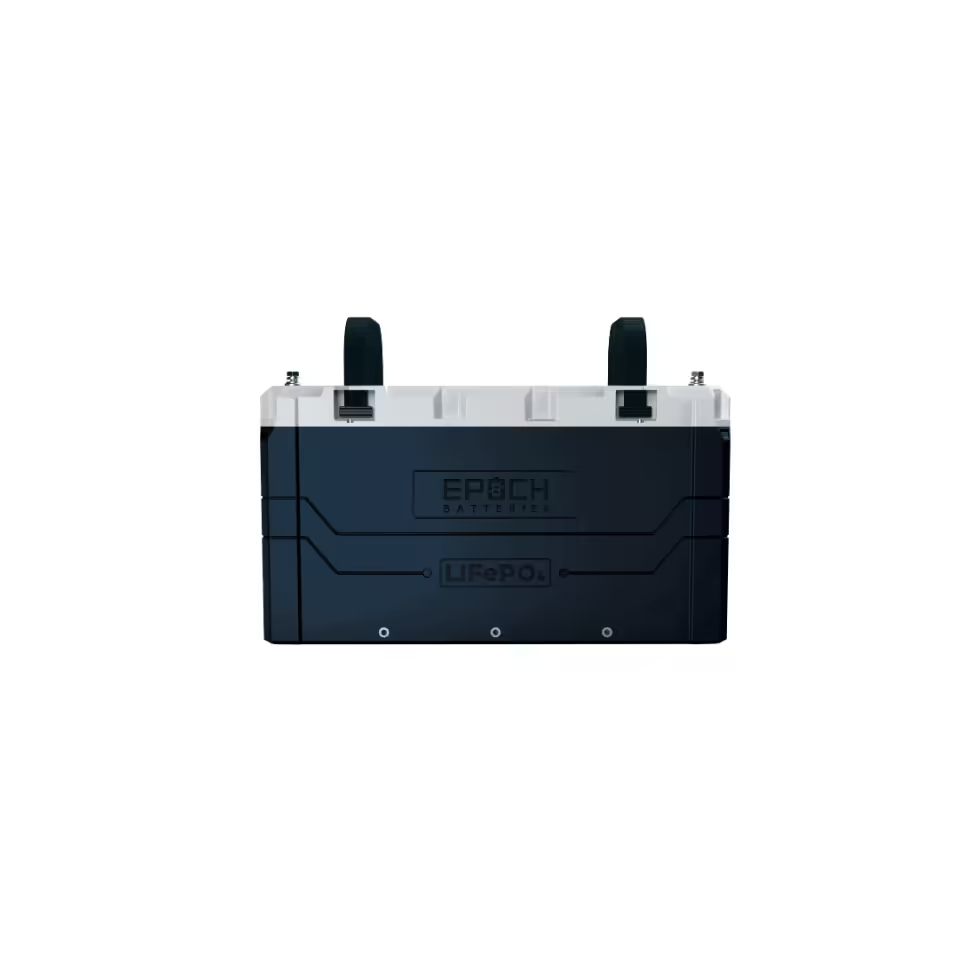
A lithium marine battery, in practice almost always LiFePO4 (lithium iron phosphate), can transform a boat’s electrical system. It weighs less, lasts longer and delivers more usable energy than lead acid. The switch does require attention to charging and protection.
Usable capacity
Lead acid batteries should not be discharged deeply on a regular basis if you want a long service life, so only part of the rated capacity is practical. LiFePO4 batteries can use most of their rated capacity routinely. That means a smaller lithium bank can often replace a larger lead acid one.
Weight and life
LiFePO4 batteries are much lighter for the same usable energy and typically offer many more charge cycles. Voltage stays steady through most of the discharge, so electronics and motors perform consistently.
Battery management system
Every lithium battery or bank needs a battery management system, or BMS, which protects the cells from over-charge, over-discharge, over-current and temperature extremes, and balances the cells. Some batteries include the BMS internally, others use an external system that can control chargers and loads.
Charging changes
- Chargers should have a lithium profile or adjustable settings matching the battery maker’s specification.
- Alternators can overheat charging lithium, which accepts high current for long periods. External regulators or DC-DC chargers protect the alternator.
- Solar and wind controllers also need appropriate settings.
Starting batteries
Many boats keep a lead acid or AGM starting battery and use lithium for the house bank, with a DC-DC charger between them. Follow the engine and battery makers’ guidance.
Installation and safety
Use correct fusing close to the battery, appropriately sized cables and secure mounting. Follow the manufacturer’s installation instructions and applicable marine electrical standards.
Lithium-compatible chargers are in our marine battery chargers; see also how to choose a marine battery charger.