Buying Guide
NMEA 2000 Network Basics for Boat Owners
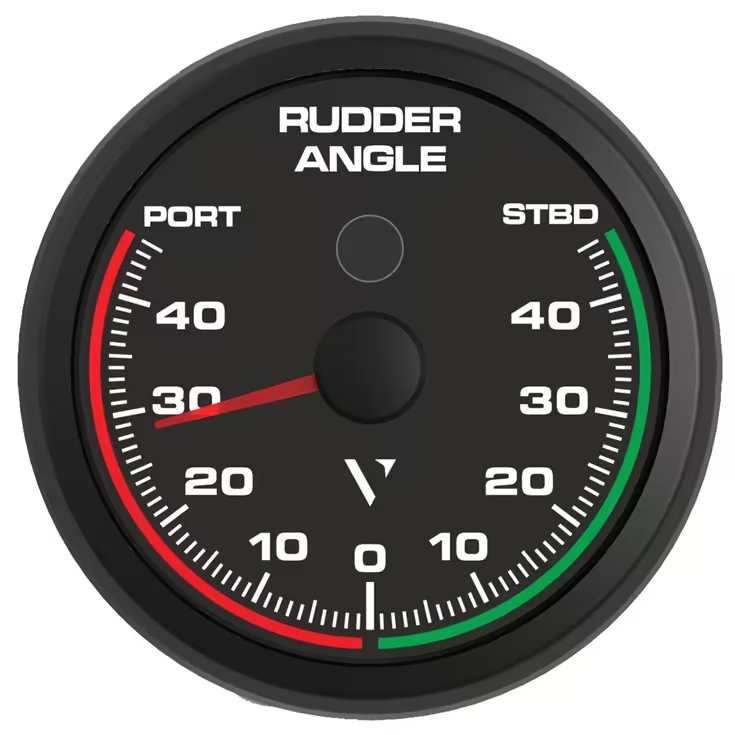
NMEA 2000 is the standard data network that lets marine electronics share information. GPS position, depth, wind, engine data, heading and autopilot commands travel over one cable, so any compatible display can show any data.
The building blocks
- Backbone: the main cable that runs through the boat.
- T-connectors: fitted along the backbone to create connection points.
- Drop cables: connect each device to a T-connector.
- Terminators: one at each end of the backbone. Every network needs exactly two.
- Power cable: feeds 12 V to the network, protected by a fuse.
Planning the layout
Sketch your boat and mark where each device sits: displays, GPS antenna, depth transducer interface, wind sensor, engine gateway, autopilot and radio. Run the backbone past these locations so drop cables stay short. Leave spare T-connectors for future equipment.
Power and load
Each device lists a Load Equivalency Number, or LEN, where one LEN equals 50 mA. Add up the LEN values to estimate the current the network carries. On larger networks, feeding power near the middle of the backbone balances voltage drop. Devices with their own power supply often draw little or nothing from the network.
Limits to respect
Keep within the standard’s limits for backbone length, drop length and number of devices. Long or heavy networks may need thicker backbone cable.
Mixing brands
Many manufacturers use their own connector styles but follow the same NMEA 2000 protocol, so adapter cables connect them. Some functions, such as specific autopilot or radar control, may still work best within one brand’s ecosystem.
Troubleshooting tips
- Check both terminators are fitted and there are no more than two.
- Measure voltage at the far end of the backbone.
- Inspect connectors for corrosion and loose fittings.
Network-ready instruments are listed in our marine gauges and marine displays.