Buying Guide
Outboard Shaft Length: How to Measure and Choose
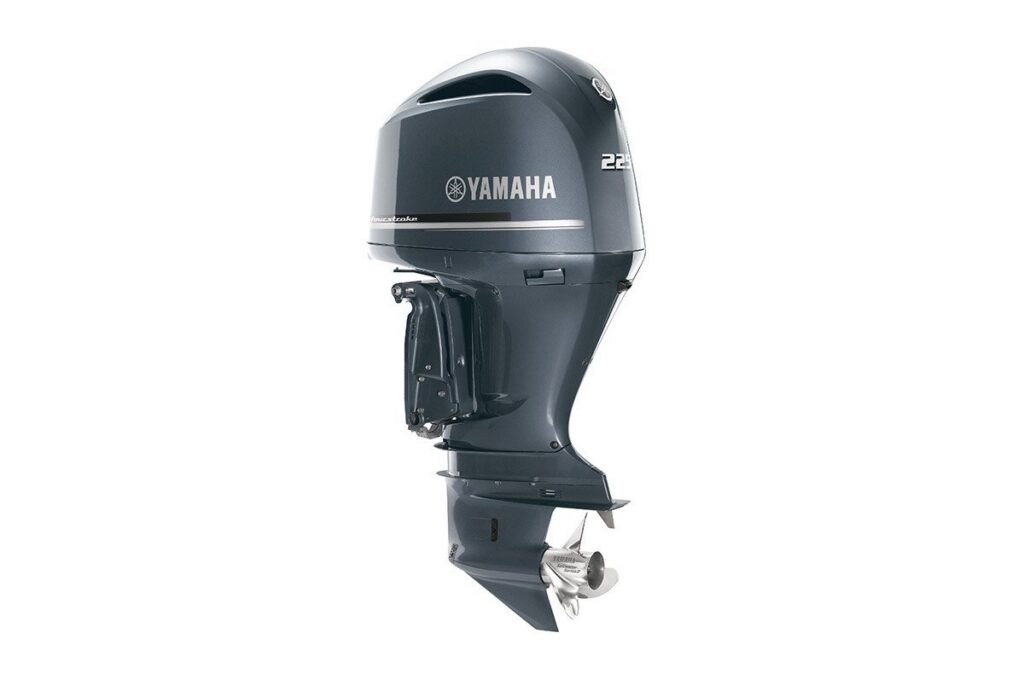
The outboard shaft length decides where the propeller sits in the water. Get it right and the engine runs efficiently; get it wrong and you may see ventilation, poor handling or extra drag. Fortunately it is easy to check.
The common lengths
Manufacturers use letter codes or names, but the lengths fall into a few groups:
- 15 inch (short): small dinghies and light boats.
- 20 inch (long): many small to mid-size boats.
- 25 inch (extra-long): most larger single and twin-engine boats.
- 30 inch (extra-extra-long): larger offshore hulls with taller transoms.
- 35 inch: some large offshore boats and catamarans with very tall transoms.
How to measure your transom
Measure vertically from the top of the transom, where the engine clamps or bolts, down to the bottom of the hull at the centerline. If the hull has a notch or a jack plate, measure from the mounting surface the engine will actually use. Compare that figure with the nearest standard shaft length.
What happens if it is wrong
If the shaft is too short, the propeller sits too high. It can draw air from the surface, which makes the engine over-rev and the boat lose grip, especially in turns or rough water. If the shaft is too long, the lower unit sits deeper than needed, adding drag and spray and reducing top speed.
Fine-tuning with mounting height
Within the correct shaft length, the engine’s mounting height can be adjusted. A common starting point puts the anti-ventilation plate roughly level with the bottom of the hull, then small adjustments are made after testing. Jack plates make this easier and are popular on performance and shallow-water boats.
Twin and multi-engine boats
On boats with two or more engines, all engines normally use the same shaft length. Spacing between engines and the use of counter-rotation also affect handling, so follow the boat builder’s rigging guidance.
Find the right engine
Once you know your shaft length, filter our outboard motors by it; every listing states the shaft length. For the bigger picture, read how to choose an outboard motor.