Buying Guide
Marine Generator Sizing Guide
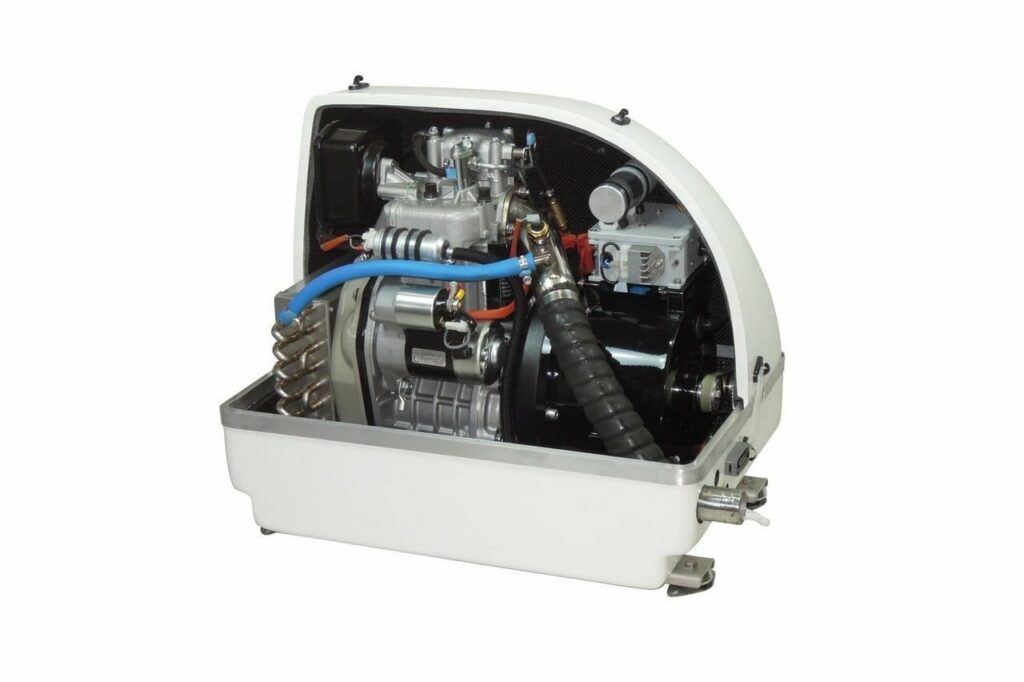
Correct marine generator sizing lets you run air conditioning, cooking and charging away from the dock without overloading the set or running it inefficiently. Start by listing what you want to power at the same time.
List your loads
Write down each AC appliance and its running power in watts: air conditioners, water heater, battery chargers, cooktop, microwave, watermaker and refrigeration. Then decide which ones run together in a typical scenario, such as air conditioning plus charging plus cooking at dinner.
Allow for starting loads
Motors in air conditioners, pumps and compressors draw several times their running current for a moment at start-up. The generator must cover the largest starting load on top of everything else running. Soft-start devices reduce these surges and can allow a smaller generator.
Add a margin
Generators run best when moderately loaded. Very light loads over long periods are not ideal for diesel engines, while running constantly at maximum shortens life. Size so that your normal combined load sits comfortably within the rating.
Gasoline or diesel
Smaller gasoline boats often use gasoline generators to share the fuel supply, with safety features suited to gasoline vapors. Diesel generators are common on diesel-powered boats and offer durability and efficiency for long running hours.
Variable speed and DC generators
Variable speed generators adjust engine speed to the load, which can reduce fuel use, noise and weight. Some systems produce DC to charge large lithium battery banks, with inverters supplying AC.
Installation
- Sound shields reduce noise and protect the set.
- Wet exhaust and water separators handle exhaust gas and cooling water.
- Carbon monoxide detectors are essential in any boat with a generator.
Compare outputs and fuel types across our marine generators.