Buying Guide
How to Choose an Outboard Motor
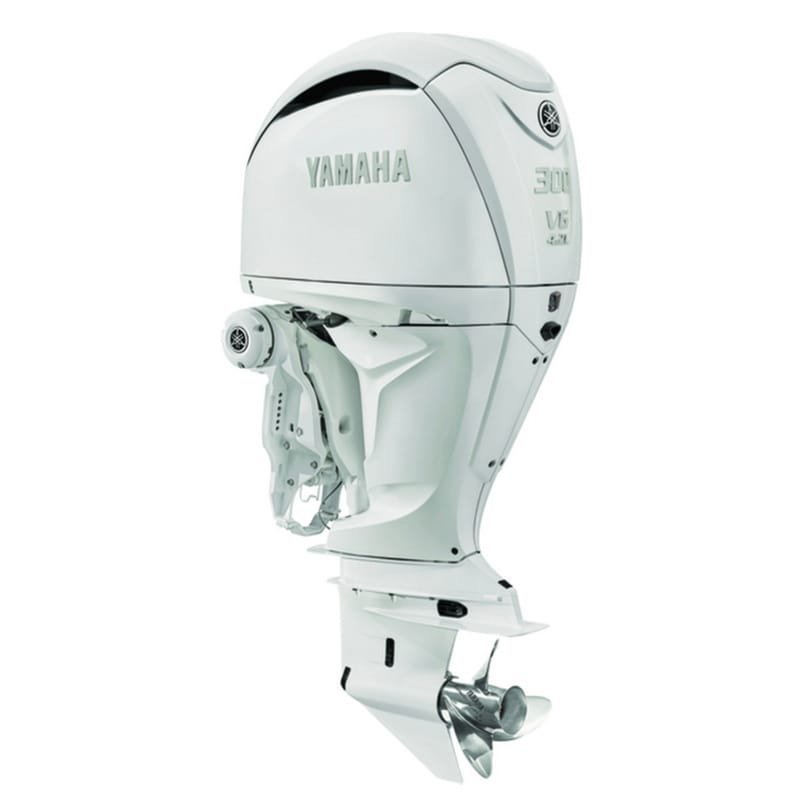
Choosing an outboard motor starts with your boat, not the engine brochure. The hull, its weight and how you use it decide how much power you need, which shaft length fits, and what kind of controls make sense. This guide walks through those decisions in order.
Start with the boat’s rating
Every outboard-powered boat carries a capacity plate or builder documentation that lists the maximum horsepower the hull is designed for. Treat that number as a hard limit. Within it, the right choice depends on load and use: a boat that regularly carries a full crew, fuel and gear, or that pulls skiers, benefits from being closer to the maximum, while a light boat used for calm-water cruising can run well on less.
Horsepower and how you use the boat
Too little power means the boat struggles to get on plane, works the engine hard and can use more fuel than a correctly powered setup. Too much power adds weight at the transom, cost and, beyond the rating, risk. Think about your typical day: how many people, how much gear, whether you tow, and the sea conditions you face. Offshore boats and heavier hulls usually need more reserve power than inland boats.
Shaft length must match the transom
The shaft length has to suit the transom height so the propeller and anti-ventilation plate sit at the right depth. Common lengths are 15, 20, 25 and 30 inches, and some large offshore engines use 35 inches. A shaft that is too short lets the propeller draw air; one that is too long adds drag and spray. Measure the transom before you choose, and see our shaft length guide for how to do it.
Single engine or twin, standard or counter rotation
Larger boats often run two or more engines for redundancy and power. In twin installations, one engine is usually a counter-rotation model so the propellers turn in opposite directions and balance each other’s torque. Single-engine boats normally use standard rotation.
Controls: mechanical or digital
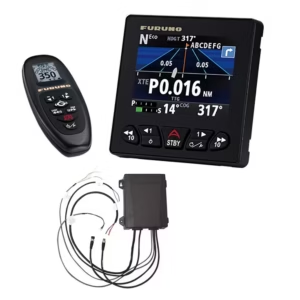
Smaller outboards may use tiller steering or mechanical cable controls. Larger engines increasingly use drive-by-wire digital throttle and shift, which gives smoother control and makes multi-engine and joystick systems possible. If you are re-powering, check that the controls, gauges and wiring you plan to keep are compatible with the new engine.
Fuel, weight and electrical output
- Fuel: check the recommended octane. Some high-output engines specify premium fuel, many run on regular.
- Weight: a heavier engine changes how the boat sits and trims, so compare dry weights when choosing between models.
- Alternator output: if you run many electronics or a large house battery bank, a higher charging output matters.
Plan for maintenance
Every outboard needs regular service: oil and filters on four-strokes, gear oil, water pump impellers, anodes and, in saltwater, freshwater flushing after use. Factor service access and parts availability into your choice.
Next steps
Once you know your horsepower range, shaft length and rotation, compare models by weight, fuel system and controls. Browse our outboard motors, where each listing shows shaft length, rotation and key specifications.