Buying Guide
Counter Rotation Outboards Explained
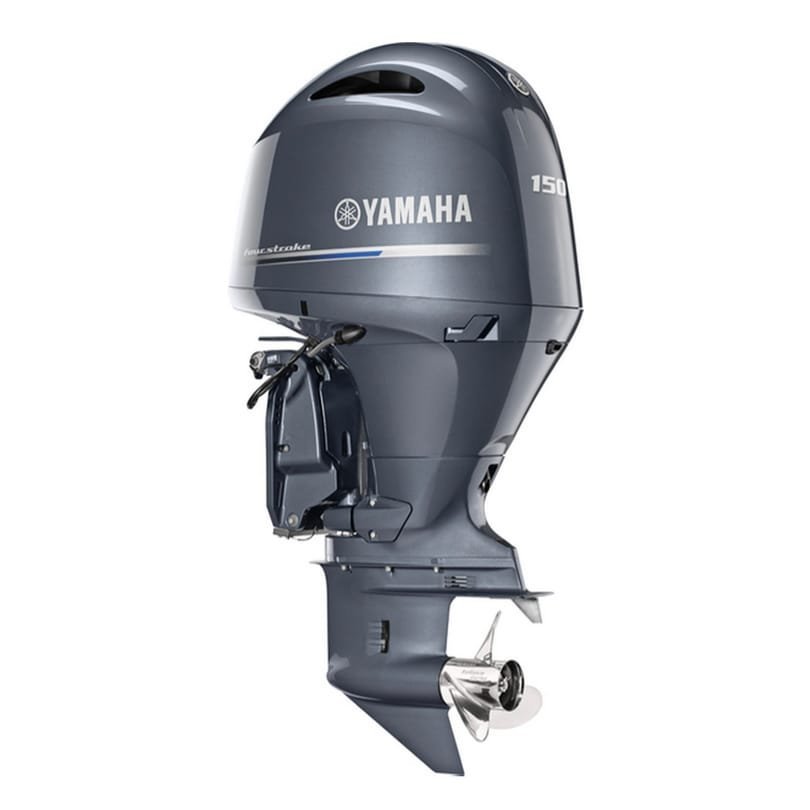
A counter rotation outboard turns its propeller in the opposite direction to a standard engine. On a single-engine boat you rarely think about it, but on twins and multi-engine rigs it shapes how the boat handles.
Why rotation matters
A spinning propeller produces a sideways force, often called prop walk or steering torque, as well as forward thrust. With one engine the helm and trim tabs compensate. With two engines turning the same way, those forces add up and the boat pulls to one side. Pairing a standard and a counter rotation engine cancels much of that effect, so the boat tracks straighter and is easier to handle.
Standard versus counter rotation
A standard rotation engine typically turns its propeller clockwise when viewed from behind in forward gear, and uses a right-hand propeller. A counter rotation engine turns the other way and uses a left-hand propeller. In a twin installation the counter rotation engine is usually mounted on one side, following the boat builder’s rigging plan.
How to tell them apart
- The model code usually indicates rotation. Many manufacturers add a letter such as C or X to the code, but conventions differ by brand, so check the specification.
- The propeller itself is marked as right-hand or left-hand.
- Some engines offer selectable rotation, so one model can be set either way.
When you need one
You need a counter rotation engine when you run twins or more and the builder specifies opposite rotation, or when you are replacing one engine of an existing counter-rotating pair. If you are replacing a single engine, standard rotation is almost always correct.
What to check when ordering
- Rotation and matching propeller hand.
- Shaft length, which must match the other engine on twin rigs.
- Control system compatibility, especially for digital throttle and shift.
Every outboard in our outboard motor range lists its rotation and shaft length, so you can match an existing engine.