Buying Guide
AIS Class A vs Class B: Which Do You Need?
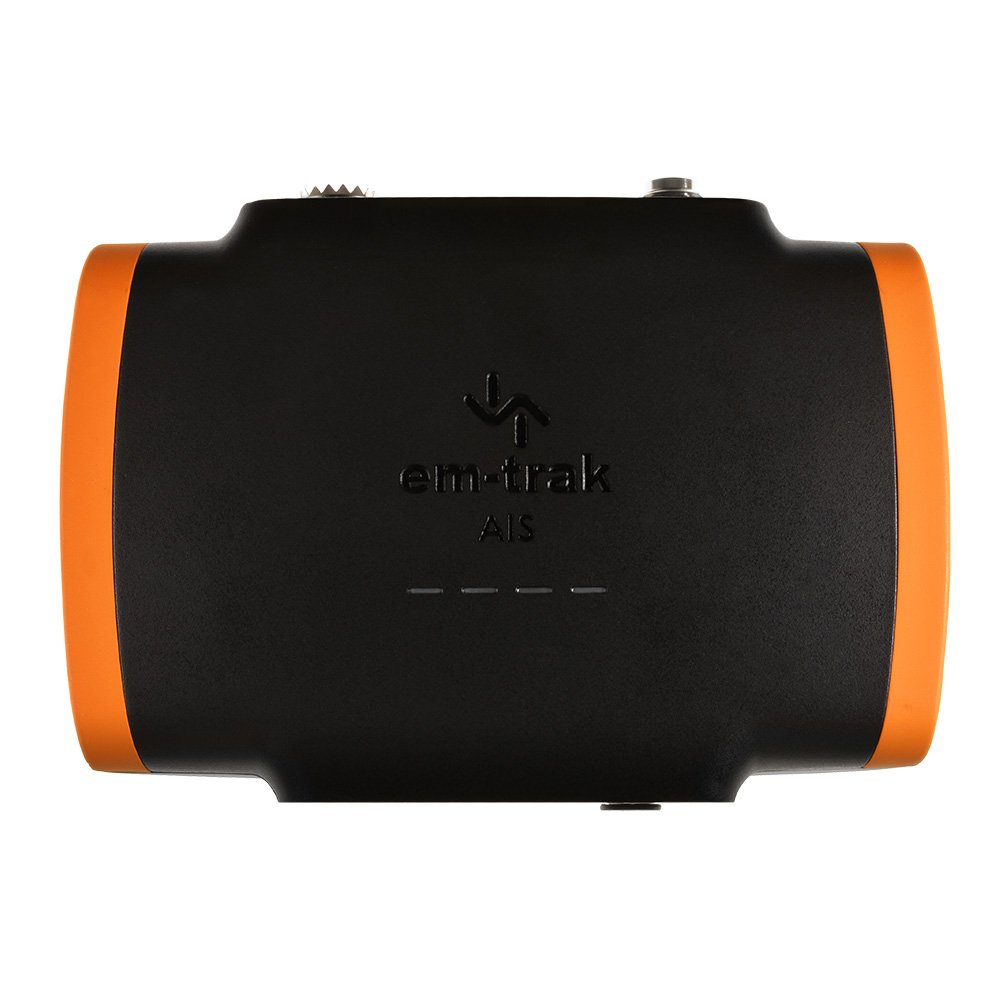
The Automatic Identification System, or AIS, broadcasts a vessel’s identity, position, course and speed over VHF frequencies and receives the same data from other vessels. On a chartplotter, nearby ships appear as targets with their name and heading, making collision avoidance much easier.
Receiver or transponder
An AIS receiver only listens: you see other vessels, but they do not see you. An AIS transponder both receives and transmits, so you also appear on other vessels’ screens. Many VHF radios include a built-in AIS receiver.
Class A
Class A transponders are required on larger commercial vessels and passenger ships under international rules. They transmit at higher power, typically 12.5 W, report more often at speed and use a priority access scheme on the AIS channels. They also carry voyage data such as destination and draft.
Class B
Class B transponders are designed for recreational and smaller commercial boats. Traditional Class B units, known as CS, transmit at 2 W with longer intervals between updates. Newer Class B units using SOTDMA technology transmit at 5 W and update more frequently, closer to Class A behavior, while remaining cheaper and simpler to install.
Which should you choose
- Coastal recreational boats: a Class B transponder is usually the right balance.
- Offshore cruising and busy shipping lanes: consider a 5 W SOTDMA Class B for better visibility.
- Vessels required by regulation to carry AIS: use the class your rules specify.
Installation notes
An AIS transponder needs a VHF antenna, either its own or shared through an approved splitter, plus a GPS antenna. It connects to displays via NMEA 2000 or NMEA 0183. You will need an MMSI number for your vessel before setup.
Browse marine radios and marine antennas for AIS-capable radios and antennas.