Buying Guide
Inflatable Dinghy Buying Guide: Floors, Fabrics and RIBs
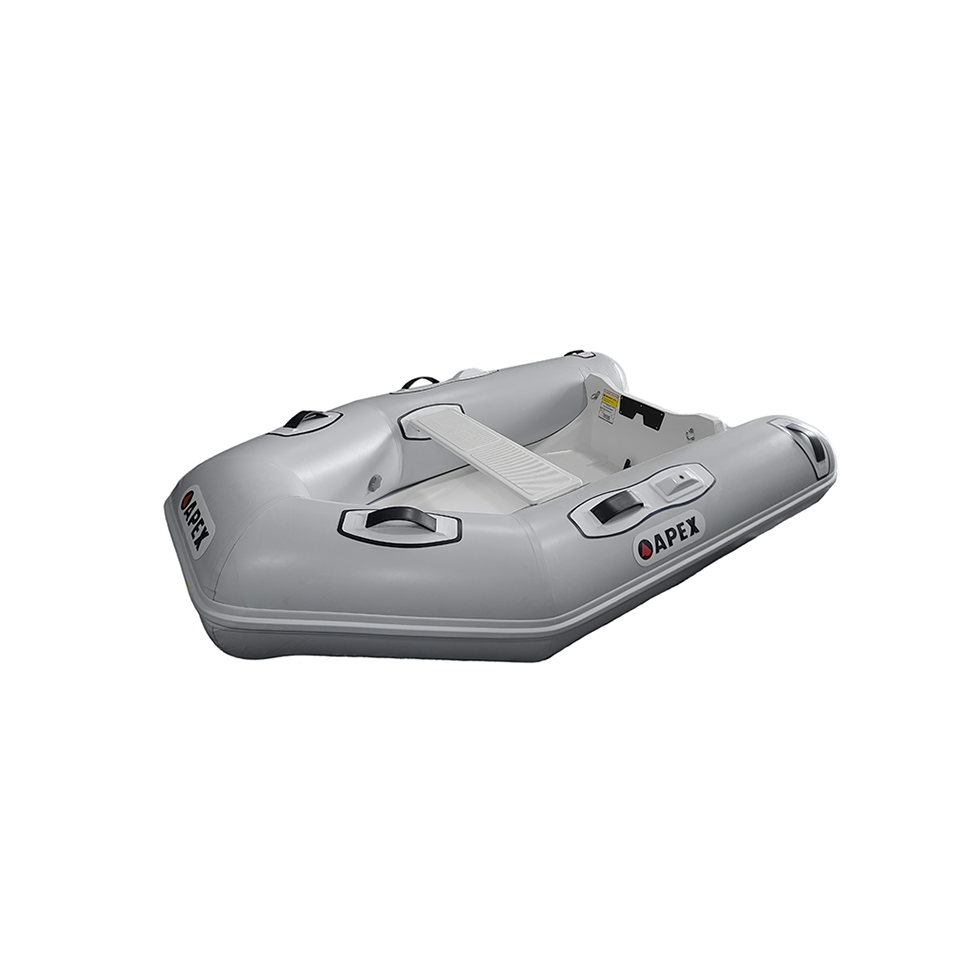
An inflatable dinghy is the most common tender for getting from anchorage to shore. Choosing one is about floor type, fabric, size and how you will store and power it.
Floor types
- Slatted or roll-up floors: very compact and light, easy to store, but less rigid.
- Air floors: a high-pressure inflatable floor that rolls up small and is comfortable underfoot.
- Plywood or aluminum floors: stiffer and better for heavier loads, but slower to assemble.
- Rigid hulls (RIB): a fiberglass or aluminum hull with inflatable tubes. RIBs plane more easily, track better and handle chop well, but take more space.
PVC or Hypalon
PVC fabrics are lighter and more affordable and can be welded or glued. Hypalon, a type of synthetic rubber coating, generally resists UV, heat and chemicals better and is popular in tropical cruising. Whichever you choose, UV covers and good care extend life.
Size and capacity
Check the maximum persons, maximum load and maximum horsepower ratings. A tender should carry your crew, provisions and fuel safely. Longer dinghies are drier and more stable, but heavier to lift onto a davit or foredeck.
Powering the dinghy
Small inflatables run well with small outboards or electric motors, while RIBs can carry more power and plane with several people aboard. Stay within the rated horsepower and consider the weight of the engine you will lift.
Storage
Decide whether the dinghy will be stowed deflated in a locker, carried on deck, or hung on davits. This often decides the floor type more than anything else.
Compare sizes, floors and ratings in our inflatable dinghies.