Buying Guide
Watermaker Buying Guide: Sizing a Reverse Osmosis System
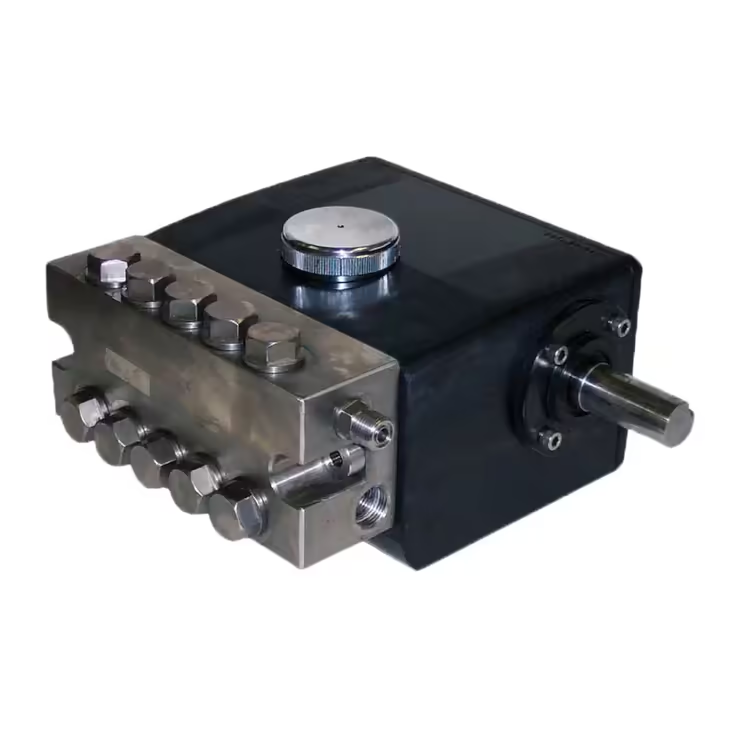
A watermaker turns seawater into fresh drinking water using reverse osmosis. For cruising boats it extends range and reduces dependence on marinas. Choosing one is mostly about output, power and maintenance.
How it works
Seawater is filtered to remove sediment, then a high-pressure pump forces it through a semi-permeable membrane. Fresh water passes through and the concentrated brine is discharged overboard. Product water is tested for salinity before it goes to the tank.
Sizing the output
Estimate daily water use per person for drinking, cooking, washing and showers, then multiply by your crew. Divide by the number of hours you are willing to run the watermaker each day to find the hourly output you need. Water use rises quickly with showers and laundry, so be realistic.
AC or DC power
DC watermakers run from the battery bank and suit sailboats and boats without a generator. Many use energy recovery to reduce power draw, but output is usually lower. AC watermakers run from a generator or inverter and can produce much more water per hour, which suits larger boats.
Modular or compact
Compact frame units are easier to install where space allows. Modular systems split the components so they fit into awkward spaces.
Maintenance
- Change pre-filters regularly.
- Fresh water flush after use, or pickle the membrane for long storage.
- Avoid running in harbors with oil, chemicals or heavy sediment.
- Automatic flush and control systems make care simpler.
Compare output and power options in our marine watermakers.